Cell Membrane Part 2 Virtual Lab
star
star
star
star
star
Last updated over 8 years ago
14 Nsɛmmisa
Hyɛ no nsow a efi ɔkyerɛwfo no hɔ:
A virtual lab looking at tonicity and active transport

1
1
1
1
1
1
1
1
1
1
1
1
1
1
A virtual lab looking at tonicity and active transport
What problem is faced by organisms that live in fresh
water?
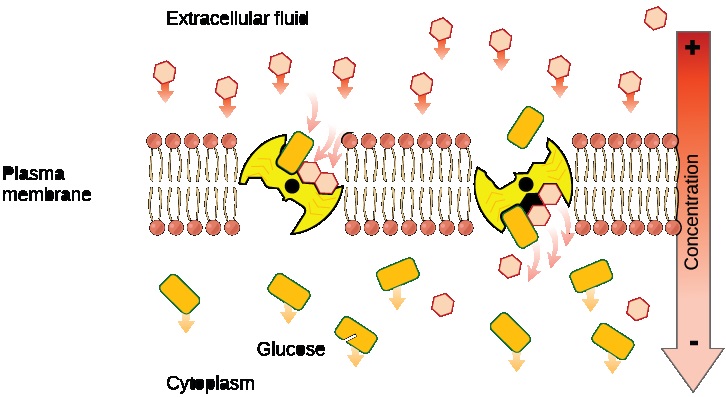
Active transport must function continuously because
__________.
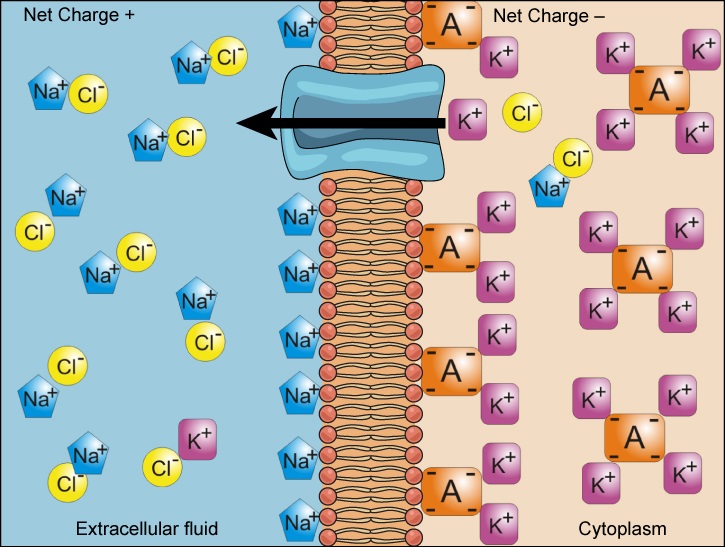
How does the sodium-potassium pump make the
interior of the cell negatively charged?
What is the combination of an electrical gradient and a
concentration gradient called?
What happens to the membrane of a vesicle after
exocytosis?
Which transport mechanism can bring whole cells into
a cell?
In what important way does receptor-mediated
endocytosis differ from phagocytosis?
Where does the cell get energy for active transport
processes?