Forces and Motion Test
star
star
star
star
star
Last updated over 8 years ago
15 Nsɛmmisa
1
1
1
1
1
1
1
1
1
1
1
1
1
1
1
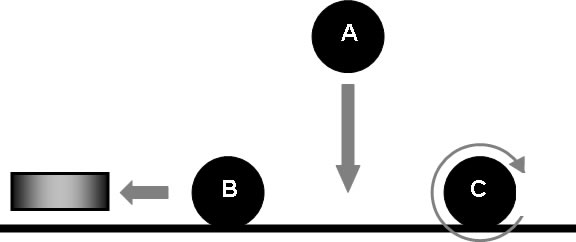
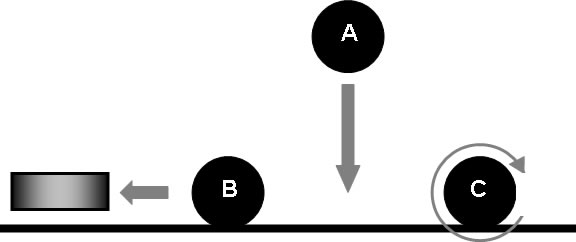
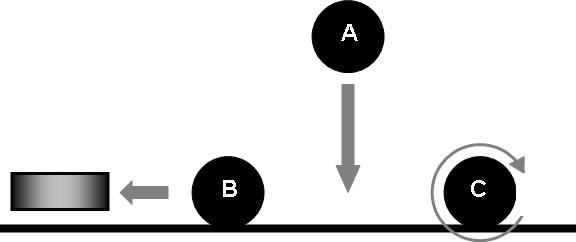
"Ball A" was dropped from a higher elevation. Which of the following forces is responsible for it falling downward?
"Ball B" is moving towards the rectangular block. Which feature of the block can explain why this is happening?
"Ball C" is rolling across the surface, but it eventually comes to a stop. Which force is most likely responsible for this?
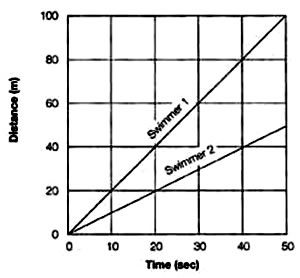
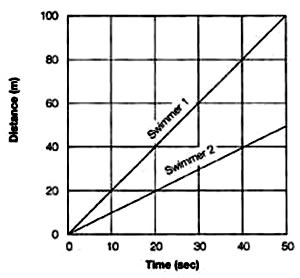
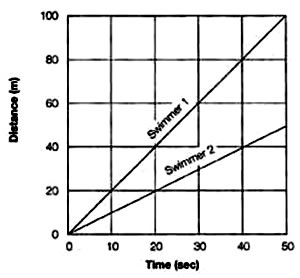
The graph above shows a race between Swimmer 1 and Swimmer 2. In the end, Swimmer 2 was the winner. Which of the following could explain this result?
Based on the graph above, it can be determined that:
Based on the above graph, which of the following predictions could be made?
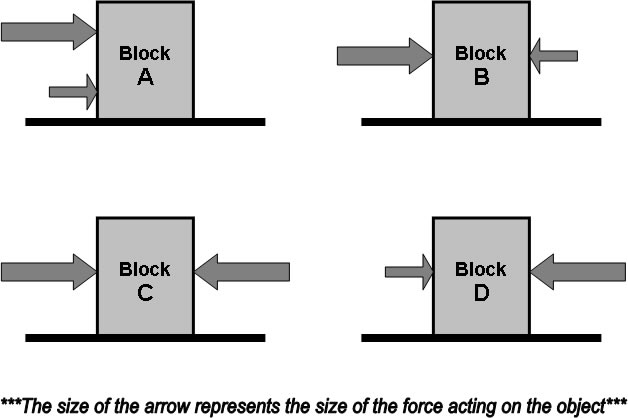
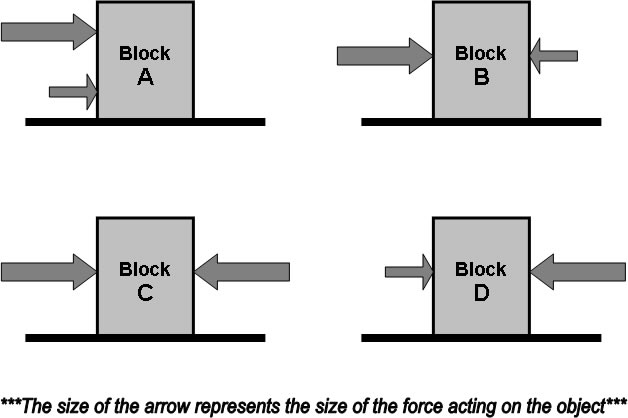
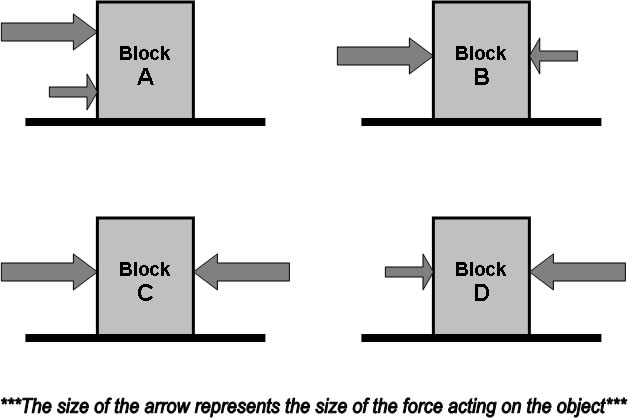
Which of the blocks shown above would not move when exposed to the forces above?
If all of the above blocks are the same mass, which of the following would slide across the surface the fastest as a result of the forces acting on it?
If Block B and Block D are the same mass, which of the following describes how they would move when exposed to the forces above?
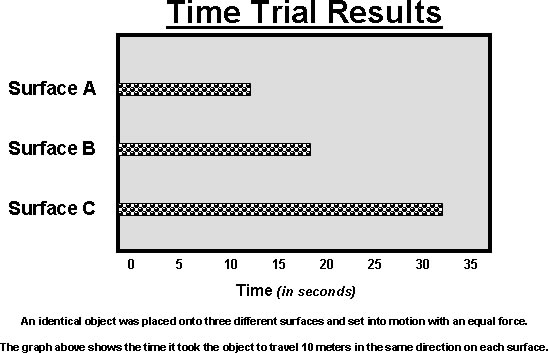
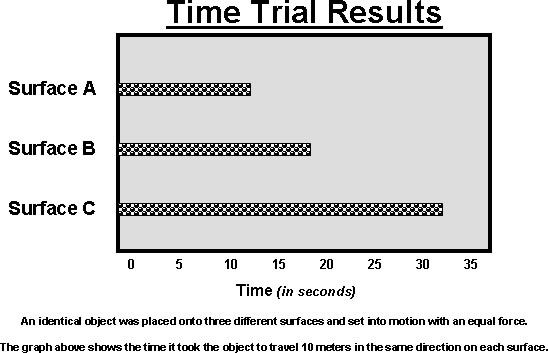
A graph like the one above might be useful when trying to decide what?
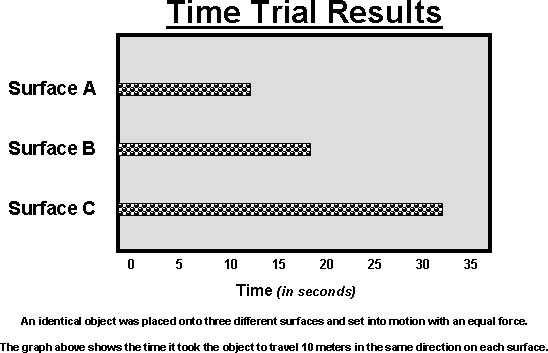
If the graphs above are describing the motion of a sled, which of the following might explain why Surface A was the fastest?
An identical object was placed onto the three different surfaces and set into motion with an identical force. The bars show how fast it took the object to travel 10 meters. Based on the graph, which surface had the greatest friction?
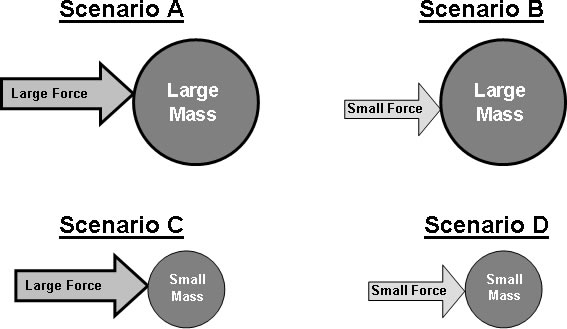
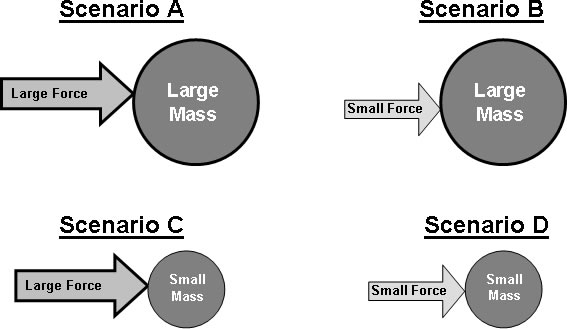
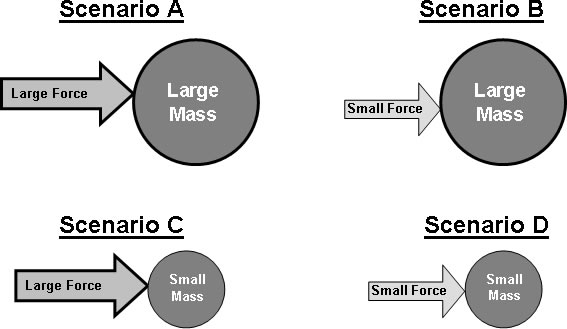
In Scenario A, a ball is being pushed along by a large force. If the force were suddenly decreased (like in Scenario B), what would happen to the motion of the ball?
The ball in Scenario D is moving at the same speed as the ball in Scenario A. This is because:
If the forces are the same in Scenario A and Scenario C, which ball would move the fastest?